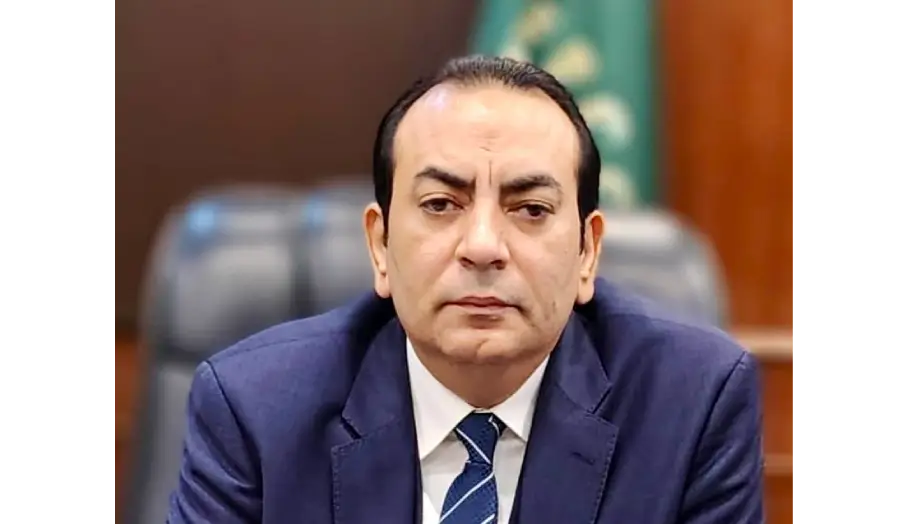
Grave Concerns Over 15% Surge in Q1 FY27 Trade Deficit Apex Trade Body Urges Corrective Measures Atif Ikram Sheikh, President FPCCI
Karachi: Mr. Atif Ikram Sheikh, President of the Federation of Pakistan Chambers of Commerce
& Industry (FPCCI), has voiced profound alarm over the unchecked expansion of Pakistan's
trade deficit during the first quarter of the fiscal year 2026-27 (Q1 FY27).
Responding to the latest official figures released by the Pakistan Bureau of Statistics (PBS), he
cautioned that the escalating import bill threatens the country's macroeconomic stability and will
exert severe pressure on national foreign exchange reserves.
Mr. Atif Ikram Sheikh highlighted that the PBS data reveals that the trade deficit widened by
15.13 percent to reach $10.792 billion during the July-September 2026 period, up from $9.374
billion in the corresponding period of the previous fiscal year.
FPCCI Chief noted that this unsustainable trend persisted through the end of the quarter. In
September 2026 alone, the trade deficit rose to $3.55 billion, marking a 6.15 percent
year-on-year increase from the $3.35 billion recorded in September 2025.
Mr. Atif Ikram Sheikh stressed that the widening trade gap is a direct consequence of the
exceptionally high cost of doing business in Pakistan, which severely hampers the
competitiveness of local manufacturers against regional peers.
Mr. Atif Ikram Sheikh highlighted that prohibitive interest rates, massive capacity charges on
electricity, and elevated petroleum levies act as immense barriers to industrial productivity and
value addition.
He warned that without immediate structural interventions, the continuous pivot to expensive
imports to meet domestic demand will further exhaust the national exchequer and trigger a
severe balance of payments crisis.
FPCCI President maintained that, to rescue the FY27 export targets and prevent widespread
industrial stagnation, the FPCCI leadership urges the Ministry of Finance and the State Bank of
Pakistan to aggressively reduce the policy rate to single digits in order to provide affordable
working capital to manufacturers.
Furthermore, Mr. Atif Ikram Sheikh called for the immediate rationalization of electricity and
gas tariffs to align them with regional competitors, alongside targeted relief on inland logistics to
bring down domestic supply chain costs.
Brig Iftikhar Opel, SI (M), Retd.
Secretary General
Recent Posts
-

نئے مالی سال کی پہلی سہ ماہی میں تجارتی خسارے میں 15 فیصد اضافے پر گہری تشویش ایف پی سی سی آئی کا اصلاحی اقدامات کی فوری ضرورت پر زور عاطف اکرام شیخ، صدر ایف پی سی سی آئی
... -
ایشیا پیسفک کو ایک مشترکہ ٹیکسٹائل مارکیٹ کے طور پر آگے بڑھنا چاہیے صدر ایف پی سی سی آئی عاطف اکرام شیخ کا عالمی مارکیٹ میں خطے کا حصہ بڑھانے کیلئے مشترکہ حکمت عملی پر زور
... -
Asia-Pacific Should Act as One Textile Market: Atif Ikram Sheikh Calls for Joint Strategy to Expand Global Share
... -
ایف پی سی سی آئی کے صدر عاطف اکرام شیخ 9 ویں ایشیا پیسیفک ینگ انٹرپرینیور ایوارڈ 2026 منتخب
... -
FPCCI President Atif Ikram Sheikh Honored with Prestigious 9th Asia-Pacific Young Entrepreneur Award 2026
...