
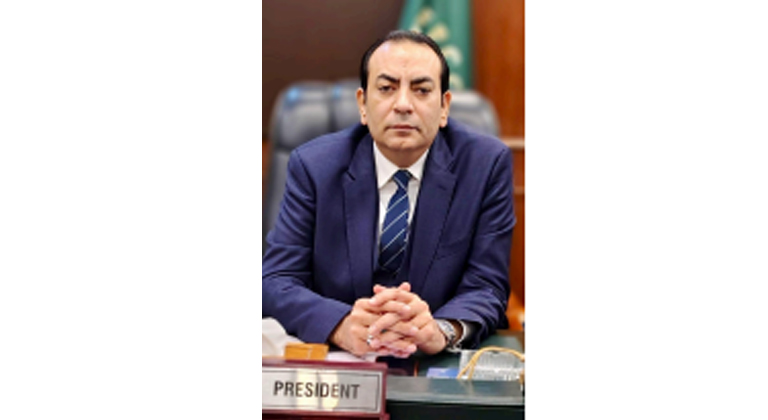
War Risk, Freight Surge Endanger Trade Outlook for Pakistan Atif Ikram Sheikh, President FPCCI
Karachi: Mr. Atif Ikram Sheikh, President FPCCI, has stressed that escalating military tensions
in the Middle East and the closure of the Strait of Hormuz have triggered alarm across Pakistan’s
trade and industry landscape – with business leaders warning that soaring freight costs and
delayed shipments could derail country's economy.
Mr. Atif Ikram Sheikh highlighted that following the outbreak of the Iran conflict in late
February 2026, global shipping markets have been thrown into turmoil. With commercial vessel
traffic through the strategic waterway grinding to a halt and shipping lines have imposed
crippling war-risk surcharges – raising fears of a balance of payments crisis for Pakistan.
The Federation of Pakistan Chambers of Commerce and Industry (FPCCI) has called for
immediate government intervention to protect the nation's trade and industrial sectors. FPCCI
Chief explained that the geopolitical instability in the Gulf poses a threat to the country’s export
competitiveness – with approximately 80 per cent of Pakistan's crude oil imports and a quarter of
our liquefied natural gas (LNG) transiting through the Strait of Hormuz – and, any prolonged
disruption will inevitably bleed into our foreign exchange reserves and trigger severe inflationary
pressures.
Mr. Atif Ikram Sheikh highlighted that the financial toll on logistics has been immediate and
staggering. Container freight rates on major routes have skyrocketed. Furthermore, shipping lines
have introduced emergency war-risk surcharges ranging from $1,500 to $3,500 per standard
container (TEU).
President FPCCI has cautioned that these logistical bottlenecks could spell disaster for the
nation's premier export sectors as transit times to our key markets in the European Union and the
United States are expected to increase by 15 to 20 days due to vessels rerouting. If these supply
chain disruptions persist, the value-added textile sector alone could witness a 10 to 20 per cent
drop in exports this month – and, we cannot afford to have our trade deficit widen under the
current IMF program, he added
Mr. Atif Ikram Sheikh elaborated that the crisis is already reverberating through the domestic
economy as transshipment rollovers and severe delays have been reported at Karachi's port
terminals because global shipping giants have suspended bookings from Pakistan for Gulf-bound
cargo.
Mr. Saquib Fayyaz Magoon, SVP FPCCI, said that compounding the crisis for local
manufacturers is the recent Rs 55 per liter spike in domestic diesel prices – which has pushed
inland transportation costs up by an estimated 15 to 25 per cent. Industry representatives argue
that standard 30-day fixed inland freight contracts are no longer viable; leaving exporters
highly-vulnerable to weekly fuel price shocks.
The FPCCI leadership has urged the government to formulate an emergency contingency plan,
including the exploration of B2B barter trade mechanisms with regional partners and securing
alternative fuel supply chains – to insulate the domestic market from the worst of the global
economic fallout.
Brig Iftikhar Opel, SI (M), Retd.
Secretary General
Recent Posts
-

ملک میں کاروبار کرنے کی لاگت خطے کے مقابلے میں 30 سے 35 فیصد زیادہ ہے عاطف اکرام شیخ صدر ایف پی سی سی آئی
... -
Cost of Doing Business in the Country is 30-35% Higher Than the Region Atif Ikram Sheikh, President FPCCI
... -
کاروبار اور صنعت کو آپریشنل سرمایہ حاصل کرنے میں شدید مشکالت کا سامنا ہے عاطف اکرام شیخ، صدر ایف پی سی سی آئی
... -
FPCCI Denounces Contractionary Monetary Policy Businesses & Industry Not Able to Secure Operating Capital Atif Ikram Sheikh, President FPCCI
... -
عاطف اکرام شیخ کا اسالمی اقتصادی انضمام اور مشترکہ منصوبوں کے فروغ پر زور
...